Minimalist Rose Flower Embroidery Review
As an embroidery designer who has spent years turning digital files into tangible memories, I approach every new design with a mix of creative excitement and practical skepticism. When a client asks for a "meaningful gift" that isn’t cliché but still feels warm, the request is often tricky. Recently, I put the Minimalist Rose Flower design to the test. My goal was simple: determine if this piece belongs in my own shop’s inventory for personalized gifts, or if it is better suited for specific niche markets. After stitching samples on everything from delicate muslin to heavy cotton towels, here is my honest review of how this design performs as a commercial product.
First Impressions: Mood and Aesthetic Appeal
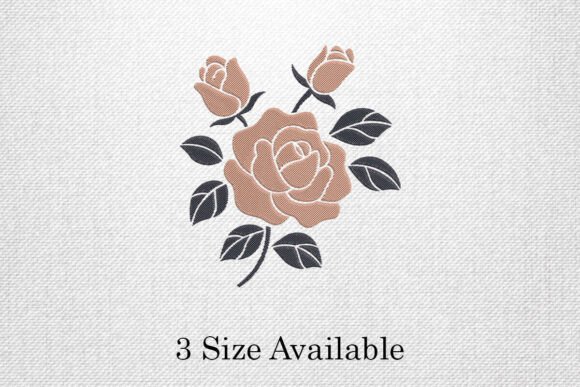
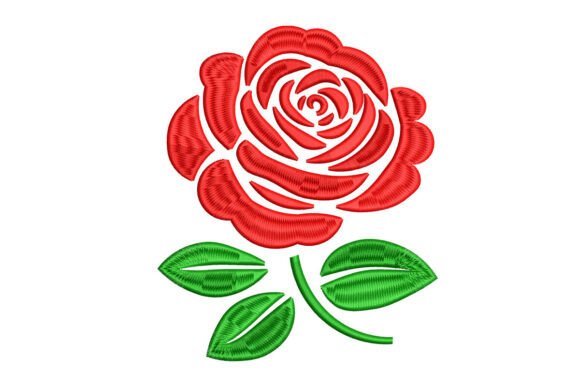
The moment you open the file for the Minimalist Rose Flower, the aesthetic speaks for itself. In a market flooded with intricate, multi-colored floral arrangements, this design offers a breath of fresh air. It embraces a clean, line-art style that feels undeniably modern yet timeless. The mood is sophisticated, quiet, and elegant. It does not shout; it whispers.
For the Etsy seller or small shop product creator, this distinction matters. Buyers today are drawn to items that feel curated and intentional. This rose captures that feeling perfectly. It avoids being overly sweet or childish, making it versatile enough for a nursery item or a chic kitchen accessory. The charm lies in its simplicity. It feels handmade because of the slight imperfections inherent in thread work, yet it retains the polish of a professional machine embroidery design. It strikes a balance between romantic and minimalist, appealing to customers who want something that looks good in a photograph without overwhelming the garment or accessory it adorns.
Real-World Application: From Digital File to Gift Box
I tested this embroidery file across several common gift categories to see where it shines. The results were consistent and promising.
- Baby Embroidery: Placing this rose on a white muslin swaddle or a neutral-toned baby blanket creates an instant heirloom quality. Because the design is not cluttered, it pairs beautifully with simple monograms. It works exceptionally well for gender-neutral gifts, offering a soft focal point that parents will appreciate for years.
- Kitchen and Home Decor: I stitched the design onto a linen embroidered towel and a cream-colored pillow cover. On these textured fabrics, the line art popped beautifully. It transforms a basic kitchen towel into a thoughtful hostess gift or a wedding present. The clean lines contrast nicely against the weave of the fabric, highlighting the craftsmanship.
- Wedding Keepsakes: For a wedding gift, this design adds a touch of class. Imagine it centered on a custom tote bag for the bridal party or embroidered on the hem of a guest book cover. It feels personal and elevated, suggesting that the giver put thought into the aesthetic rather than just grabbing a generic item.
- Apparel and Accessories: When applied to an apron or a structured tote bag, the rose serves as a subtle brand logo or decorative accent. It is small enough to be unobtrusive but detailed enough to catch the eye upon closer inspection.
The versatility of this design makes it a strong candidate for custom embroidery orders. Whether you are creating a single bespoke item or a batch of identical products for a craft fair, the Minimalist Rose Flower holds up well under scrutiny.
Where Caution Is Required
While I highly recommend this design, no embroidery file is perfect for every scenario. As a professional, I must highlight where this design might struggle so you can manage customer expectations.
First, avoid using this design on highly textured fabrics like thick terry cloth towels or bouclé blankets unless you are prepared for the details to get lost. The fine lines of the rose require a relatively smooth surface to maintain their integrity. Similarly, on stretchy baby clothes, the stability of the stitches is paramount; without proper stabilization, the delicate lines may pucker or distort.
Another critical area is dark fabric. Line art relies heavily on contrast. If you stitch light threads on dark denim or black cotton, the design may become invisible or hard to read. Always create a printable mockup or stitch a test sample on the actual final fabric color before committing to a large order.
Finally, be mindful of the scale. While the rose is graceful, it contains small details. If you attempt to digitize or resize it too small, those details may merge together, resulting in a muddy blob rather than a crisp flower. Ensure your hoop size allows for adequate space around the design to prevent edge distortion.
Impact on Perceived Value and Sales
In the world of handmade goods, perceived value is everything. The Minimalist Rose Flower elevates the perceived value of any finished product. Because it looks intentional and high-end, customers are often willing to pay a premium for items featuring this design compared to more generic, clip-art-style flowers.
This design also fosters emotional connection. A recipient sees a simple rose and thinks of care, elegance, and nature. It is a universal symbol of affection that rarely misses the mark. For the seller, this translates to fewer returns and higher customer satisfaction. The "clean girl" aesthetic and modern minimalist trend are currently dominating social media, and this design aligns perfectly with those visual preferences, making it highly shareable and engaging for potential buyers.
Practical Notes for the Maker
Before you start producing commercial embroidery pieces with this file, please adhere to these best practices:
- Test on Scrap Fabric: Never assume a design will work on your target material without a test run. Stitch it out on the exact fabric type you plan to sell.
- Check Thread Contrast: Experiment with different thread colors. A dark grey or navy thread on white fabric often looks sharper than pure black, which can sometimes appear too harsh for minimalist designs.
- Stabilizer Selection: Use the appropriate stabilizer for your fabric weight. Cut-away stabilizers are generally safer for garments and items that will undergo frequent washing, while tear-away may suffice for home decor items that are washed less frequently.
- Review Stitch Density: Check the density settings in your software. If the design is too dense, it may become stiff and uncomfortable. If it is too sparse, it may lack definition.
- Verify Licensing: Most importantly, confirm the commercial licensing terms of the digital embroidery file. Ensure you have the right to sell finished products made from this design before listing them on your shop.
In conclusion, the Minimalist Rose Flower is a standout addition to any embroiderer’s library. It is elegant, versatile, and deeply appealing to modern consumers looking for meaningful, high-quality gifts. By testing thoroughly and applying it to the right products, you can create beautiful, sellable items that resonate with customers on an emotional level.