Red Daisy Flower Embroidery Review
As an embroidery designer who spends countless weekends setting up booths at local craft fairs and handmade markets, I have learned that the difference between a design that sits on the shelf and one that flies off the table often comes down to visual impact and practical production value. When I first reviewed the Red Daisy Flower machine embroidery design, my immediate thought was not just about aesthetics, but about how this piece would perform in a real-world retail environment. For Etsy sellers, boutique makers, and creative entrepreneurs looking to expand their inventory, understanding the nuance of a digital file before it hits the hoop is essential.
This review focuses on what makes the Red Daisy Floral Embroidery Design a strong candidate for your next batch of handmade products. We will look at its aesthetic appeal, its versatility across different product types, and the critical technical considerations that ensure your finished product looks professional and sells well.
First Impressions: Bold, Cheerful, and Market-Ready
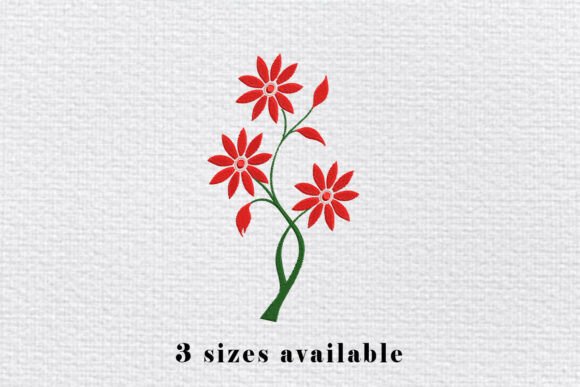
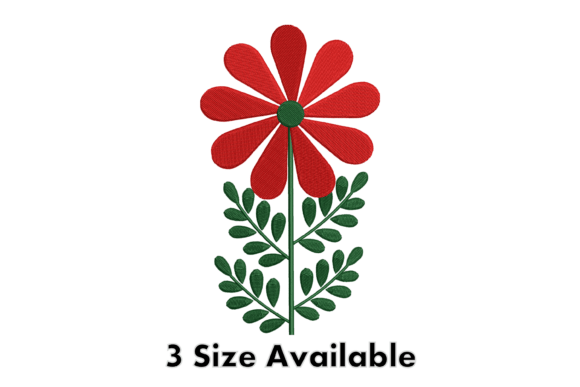
The title "Red Daisy Flower" suggests a classic, timeless motif, and the description promises "cheerful floral beauty." In the context of craft fair displays, cheerfulness is a powerful selling point. Customers are drawn to items that evoke positive emotions, and a bright red daisy against neutral or pastel backgrounds creates an instant pop of color that catches the eye from across a booth.
From a design perspective, this piece feels versatile enough to bridge several popular styles. It can lean into a farmhouse chic vibe when paired with burlap or linen textures, yet it remains modern and clean enough for contemporary streetwear like hoodies and sweatshirts. The boldness of the red implies confidence; it is not a shy, minimal accent but rather a statement piece. This makes it ideal for focal designs where you want the customer to stop and look closer. However, because it is a single flower, it also has the potential to be scaled down effectively, offering flexibility for smaller accessories.
Product Versatility: Where Red Daisy Flower Shines
One of the biggest challenges for small shop owners is creating a cohesive collection without overproducing. The strength of the Red Daisy Flower design lies in its adaptability. Here is how I see it performing across key craft fair categories:
- Tote Bags and Market Bags: This is perhaps the strongest application. A tote bag is essentially a walking billboard. Placing a large, vibrant red daisy on a canvas tote creates a high-value item that customers love carrying around town, which in turn serves as free advertising for your brand. The contrast of the embroidery thread against the woven fabric adds a tactile luxury that prints cannot replicate.
- Aprons and Tea Towels: For kitchen-themed gifts, this design works beautifully. On a white or cream tea towel, the red daisy provides a cheerful splash of color that fits perfectly in spring or summer home decor trends. On denim aprons, it offers a rustic, artisanal feel. These are low-cost entry points for buyers, making them excellent impulse buys at a market stall.
- Caps and Headwear: Embroidering caps is a staple of handmade markets. The Red Daisy Flower can serve as a charming left-chest accent or a larger central motif depending on the scale. It adds a feminine touch to baseball caps and beanies, appealing to a wide demographic.
- Patches and Pouches: If the design allows for a clean border or if you add one, it translates well into iron-on patches. These are highly popular among crafters who customize jackets and backpacks. Similarly, on small fabric pouches or zippered bags, the daisy acts as a delightful focal point that elevates a simple utility item into a giftable product.
- Pillow Covers and Home Decor: For higher-ticket items, placing this design on throw pillows adds a cozy, inviting element to nursery or living room decor. It signals quality and attention to detail, which justifies a higher price point.
Visual Appeal and Customer Engagement
In a physical market setting, photography and display are crucial. The Red Daisy Flower design photographs exceptionally well. The solid red color stands out against camera lenses, ensuring that your online listings on Etsy or social media platforms look vibrant and attractive. This visual clarity helps drive clicks and conversions for digital sellers.
Furthermore, the design enhances the perceived value of your handmade product. Hand embroidery (even machine embroidery) carries a premium perception compared to mass-produced screen prints. When a customer sees the texture of the stitches, they understand the labor involved. This design, with its likely clear lines and distinct petals, showcases the quality of the stitching work, reinforcing your brand as one that values craftsmanship. It creates a sense of warmth and personal care that resonates with buyers looking for unique, small-batch items.
Practical Production and Technical Notes
Before committing to a full run of Red Daisy Flower products, there are several technical factors every embroiderer must consider. Ignoring these can lead to wasted time, materials, and unhappy customers.
Stitch Density and Detail
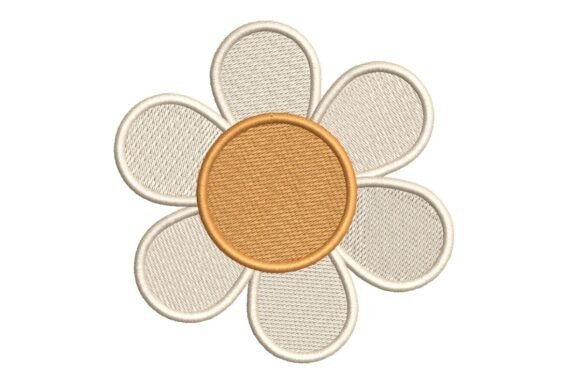
You must inspect the stitch density of the design. While daisies are generally straightforward, check if the center of the flower contains tiny, dense stitches that might pucker thin fabrics. If the design includes tiny details or very fine lines, test it at various sizes. Designs often lose clarity when scaled down too much. Ensure that the petals remain distinct and do not merge together, especially if you plan to offer smaller versions for tags or small pouches.
Fabric and Stabilizer Compatibility
The choice of fabric significantly impacts the final look. On textured towels, the embroidery may sink slightly, so a cut-away stabilizer is often necessary to prevent distortion. On stretchy fabrics like hoodie cotton or jersey, a tear-away or wash-away stabilizer helps maintain the shape of the flower. Always test on scrap fabric that matches the weight and texture of your final product. This step is non-negotiable for maintaining consistency across batches.
Thread Contrast and Hoop Size
Verify the recommended thread colors. A standard red may look different on black fabric than on white. You may need to adjust your thread palette to ensure the red pops appropriately against your chosen base material. Additionally, confirm the hoop size required by the design file. If the design is large, it may require a multi-hoop sequence, which increases production time. For a busy craft fair season, efficiency matters, so knowing the hoop constraints upfront helps you price your labor correctly.
Commercial Licensing
Finally, and most importantly, always check the commercial licensing terms included with the digital embroidery file. Just because you bought the file does not automatically grant you the right to sell the finished products. Ensure you have a valid license for commercial use to protect your business from legal issues. This is a standard practice for any serious embroidery entrepreneur.
Conclusion for Craft Fair Sellers
The Red Daisy Flower embroidery design offers a compelling mix of visual charm and production practicality. It is a robust design asset that can elevate a wide range of products, from everyday tote bags to special occasion gifts. By paying close attention to fabric selection, stabilizer usage, and stitch quality, you can create a standout collection that captures customer attention at craft fairs and online alike. For any small shop product line looking to add a touch of floral elegance, this design is a strong contender. Test it thoroughly, create realistic mockups, and watch how this cheerful addition boosts your sales.