Vintage Rose Bloom Embroidery Design Review
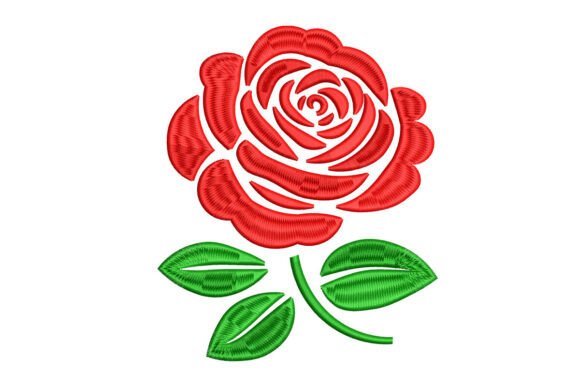
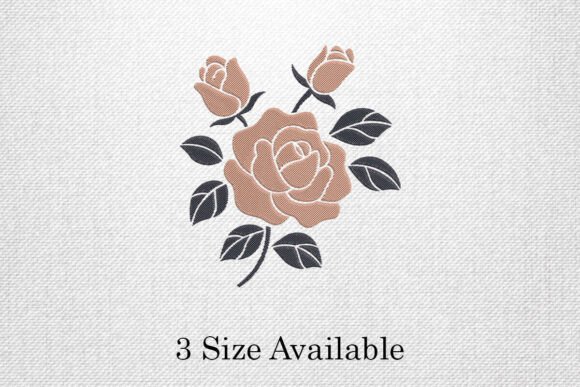
As an embroidery designer who spends weekends hunched over a table at local craft fairs, I have learned one hard truth: customers do not buy files. They buy the finished product sitting in front of them. When I look at a new digital asset, my first question is never about stitch count or file format. It is about whether this design will stop a passerby in their tracks and make them reach for their wallet. Today, I am reviewing the Vintage Rose Bloom Embroidery Design, a piece categorized under Single Flowers that promises a large central rose with two delicate buds and elegant dark leaves. This review is written from the perspective of a maker preparing for a busy weekend market, evaluating where this design fits into a booth display and how it translates from screen to fabric.
The First Impression: Timeless Elegance Meets Market Appeal
The title alone suggests a specific aesthetic, and upon closer inspection of the description, the vision holds up. The Vintage Rose Bloom Embroidery Design feels classic, soft, and premium. In a sea of trendy, neon, or overly complex machine embroidery designs, simplicity often wins. A large central rose commands attention without shouting. The inclusion of two delicate buds adds balance and narrative depth, suggesting growth and grace rather than just a static image. The mention of elegant dark leaves provides a natural contrast point, which is crucial for thread color selection.
For the Etsy seller or the small shop product creator, this design hits the sweet spot between farmhouse charm and boutique elegance. It is not merely decorative; it feels like a statement piece. When you hang a tote bag featuring this design on your rack, it does not look like a mass-produced item. It looks handcrafted. That perception of quality is what allows you to charge a higher price point at your craft fair booth.
Product Versatility: Where This Design Shines
One of the biggest mistakes new designers make is assuming a design works equally well on every surface. It does not. However, the Vintage Rose Bloom Embroidery Design has enough visual weight to perform exceptionally well across several key categories. Here is how I would deploy this design for maximum sales impact:
- Tote Bag Design: This is perhaps the strongest application. A large central rose centered on a canvas tote creates a bold, focal look. Customers love carrying something that looks artistic. The size of the rose ensures it remains visible even when the bag is full.
- Apron Embroidery: Placing the rose on the bib of a linen apron is a classic combination. The "vintage" aspect pairs perfectly with rustic kitchen aesthetics. This appeals heavily to home cooks and gardeners, two major demographics at summer markets.
- Tea Towel Embroidery: Smaller scale versions or single bud placements work beautifully here. Tea towels are impulse buys. If the design is clear and the thread colors pop against the white or cream fabric, these sell quickly as gifts.
- Embroidered Patch: Converting the main rose motif into a sew-on or iron-on patch opens up a new revenue stream. Patches allow customers to personalize jackets, hats, or backpacks, extending the life of your commercial embroidery offerings.
- Fabric Pouches and Pillow Covers: For a more intimate gift set, placing the rose on a small zippered pouch or a square pillow cover creates a cohesive home decor line. These items feel luxurious and justify a higher price tag.
While the design is versatile, it may struggle on highly textured surfaces like thick terry cloth tea towels unless the stitch density is adjusted. Always test on the actual fabric you intend to sell.
Production Practicality and Booth Display Strategy
From a production standpoint, efficiency is money. You want designs that are relatively quick to stitch but look intricate. The Vintage Rose Bloom Embroidery Design likely uses fill stitches for the petals and satin stitches for outlines. This is generally efficient. However, you must consider the stitch density. If the design is too dense, it will take forever to hoop and stitch, eating into your profit margin. If it is too sparse, it will look cheap and flimsy after washing.
When setting up your booth, visual hierarchy matters. Do not scatter this design randomly. Create a vignette. Hang a tote bag with the rose prominently displayed next to a folded apron with a smaller placement. Use a mirror so customers can see themselves wearing the item. The dark leaves mentioned in the description should provide excellent contrast if you choose light-colored threads (like ivory, sage, or dusty pink) against darker fabrics (like navy, charcoal, or forest green).
Photography is also part of the selling process. This design photographs well because the large central element fills the frame nicely. Avoid cluttered backgrounds. Let the rose be the star. If you are listing this as a digital embroidery file or a printable mockup online, ensure your lighting highlights the texture of the thread. Shiny polyester thread can reflect light awkwardly, so matte cotton or rayon blends often look more professional in photos.
Careful-Use Notes and Technical Considerations
Before you commit to batch production, there are technical pitfalls to avoid. Even though the description mentions "delicate buds," delicate does not always mean easy to embroider. Tiny details can get lost if the hoop size is too small or if the fabric stretches during stitching. Check the hoop size requirements carefully. If the design requires a 6x10 inch hoop, ensure your machine can handle it or that you are comfortable with multi-hooping.
Thread contrast is critical. On dark fabrics, you need bright, saturated colors to make the rose stand out. On light fabrics, you can use softer, pastel tones for that vintage feel. Never assume a design will look good in any color; always swatch. Also, pay attention to the stabilizer. A heavy-cutaway stabilizer is usually necessary for large floral designs to prevent puckering, especially on woven cottons used for aprons and bags. If you skip the right stabilizer, your finished product will look warped and unprofessional.
Be wary of designs that rely on tiny lettering or extremely fine lines. While the Vintage Rose Bloom Embroidery Design focuses on the flower, any accompanying text or very thin leaf veins might break or blur if the machine tension is off. Test on scrap fabric first. Inspect the back of the sample for excessive backing. A clean finish on the reverse side is a hallmark of high-quality handmade goods.
Final Verdict for the Creative Entrepreneur
The Vintage Rose Bloom Embroidery Design is a strong candidate for any serious craft fair product lineup. It balances aesthetic appeal with practical producibility. It works as a standalone statement piece on totes and aprons, and it offers flexibility for smaller accessories like patches and pouches. Its vintage vibe resonates with current trends in handmade and artisanal goods.
To maximize its potential, focus on high-quality blank products. A mediocre design on a great bag can still sell, but a great design on a poor-quality bag will fail. Invest in sturdy canvas, soft linens, and durable hardware. Confirm your commercial licensing terms before selling finished items, and create at least one real mockup to check spacing and color harmony. If you execute this design with care, paying attention to fabric texture and thread colors, it will undoubtedly become a bestseller in your handmade product collection. It is not just a flower; it is a proven seller waiting to happen.