Floral Camera Embroidery Design Review
In the world of handmade goods and custom apparel, finding a design that balances quirkiness with wearability is often a challenge. As a designer who reviews embroidery files for both personal craft projects and commercial small business use, I look for pieces that offer immediate visual appeal without compromising stitch integrity. Recently, I evaluated Floral Camera, a machine embroidery design that promises to add a charming update to fabrics. This review breaks down how this design performs in real-world scenarios, from Etsy shop merchandise to personalized gifts, offering practical insights for designers, crafters, and small business owners.
First Impressions: Mood and Visual Personality
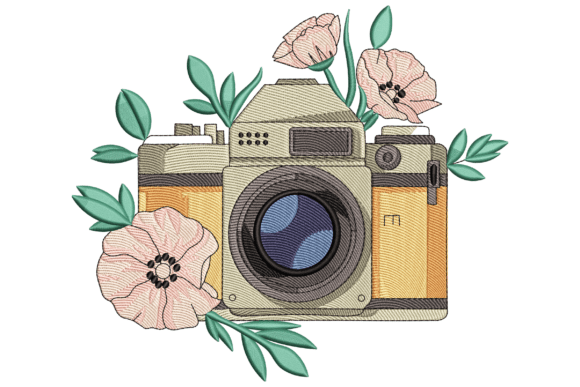
The moment you load the Floral Camera embroidery file into your hoop, the design’s personality shines through. It is not just a camera; it is a stylized interpretation that blends vintage aesthetics with botanical elements. The mood it creates is whimsical yet grounded, making it suitable for a wide range of audiences. Unlike overly complex designs that can look cluttered when stitched, this piece relies on clean lines and distinct shapes to tell its story.
For the creative entrepreneur or hobbyist, the visual appeal lies in its versatility. The combination of mechanical precision (the camera) and organic softness (the flowers) creates a balanced composition. It feels like a design that belongs in a modern boutique, appealing to photography enthusiasts, garden lovers, or anyone who appreciates a touch of nostalgia. When reviewing such a machine embroidery design, I always ask: does it stand alone? In this case, the answer is yes. The layout is self-contained, meaning it works beautifully as a standalone focal point on garments or accessories without needing additional text or embellishments.
Real-World Application: From Tote Bags to Apparel
One of the most common questions I receive is whether a design will translate well from digital preview to finished product. To test Floral Camera, I imagined several realistic use cases that are popular among Etsy sellers and craft business owners.
- Custom Tote Bags: A canvas tote bag is a staple for handmade products. Placing Floral Camera on the front center or slightly off-center allows the design to breathe. The contrast between the sturdy canvas and the delicate floral details creates a tactile experience that customers love. It serves as an excellent tote bag design for photographers, artists, or students.
- Sweatshirt Embroidery: For cozy, seasonal items, this design adds a pop of color and interest. On a neutral-colored sweatshirt, the thread colors used in the floral accents can be chosen to match or complement the base fabric, creating a sophisticated look. It transforms a basic garment into a personalized gift that feels special and thoughtful.
- Baby Items and Nursery Decor: The gentle nature of the floral elements makes this design appropriate for baby clothes, bibs, or nursery wall hangings. Parents often seek out baby embroidery that is cute but not overly childish. This design hits that sweet spot, offering a timeless aesthetic that parents will appreciate long after the initial gift-giving occasion.
- Kitchen Towels and Aprons: For those focusing on home decor, applying this design to tea towels or aprons adds a functional art piece to the kitchen. It fits perfectly within the realm of holiday embroidery, especially as a hostess gift or a unique addition to a farmhouse-style kitchen collection.
Performance and Stitch Clarity
When evaluating any embroidery project, stitch density and clarity are paramount. Floral Camera appears to utilize a mix of satin stitch for outlines and key details, alongside fill stitch for broader areas and running stitch for finer textural elements. This variety helps prevent the design from looking flat or heavy.
However, success depends heavily on execution. The intricate parts of the camera lens and the petals require a steady hand and proper setup. If the stitch density is too high, the fabric may pucker; if too low, the design may lose definition. For best results, ensure your stabilizer choice matches the fabric weight. For stretchy knits like t-shirts, a cut-away stabilizer is essential to maintain shape over time. For woven fabrics like cotton or linen, a tear-away or wash-away stabilizer might suffice, depending on the desired finish.
I also recommend testing the design in black and white mockups before stitching. This helps verify that the negative space and positive shapes are balanced correctly. If the design looks good in monochrome, it will likely look stunning in full color. This step is crucial for maintaining brand consistency and ensuring that your finished product meets professional standards.
Where to Exercise Caution
While Floral Camera is versatile, there are specific scenarios where it requires careful consideration. Not every surface is created equal, and understanding these limitations is key to avoiding costly mistakes.
- Small Hoop Sizes: If you are working with a compact machine or limited hoop space, ensure the design fits comfortably with adequate margin. Crowding the edges can lead to trimming issues or unbalanced placement.
- Textured or Stretchy Fabrics: Highly textured fabrics like fleece or thick chenille can obscure fine details. Similarly, very thin or slippery fabrics may shift during stitching, causing misalignment. Always perform a test run on scrap fabric first.
- Curved Surfaces: While caps and hats are popular canvases, the curvature can distort straight lines. You may need to adjust the design scaling or placement to account for the curve, ensuring the camera remains recognizable and not stretched.
- Dense Stitch Areas: Avoid placing the design over seams, zippers, or existing pockets. These areas increase thickness and can cause needle breakage or uneven stitching. Additionally, products that undergo frequent washing should be made with durable threads and proper stabilization to ensure longevity.
Practical Designer Notes for Success
To get the most out of this digital embroidery file, follow these practical tips derived from real studio experience:
- Test on Scrap Fabric: Never assume a design will work perfectly on your final material. Test it on a similar fabric type to check for puckering, thread tension, and color contrast.
- Review Thread Colors: Choose threads that enhance the design’s personality. For a vintage look, opt for muted tones; for a modern vibe, try bold, contrasting colors. The right thread colors can elevate a simple design into a premium small shop product.
- Inspect Small Details: Zoom in on the digital preview. Are the tiny floral petals clear? Is the camera lens distinct? If details are too small for your machine’s resolution, consider simplifying the design or choosing a larger format.
- Confirm Licensing: Before selling finished items or using the design in commercial embroidery projects, verify the licensing terms. Some files are for personal use only, while others allow commercial sales. Clear licensing protects your creative entrepreneur business from legal issues.
- Create Printable Mockups: Use high-quality images of the embroidered design on various backgrounds to create printable mockups. This helps in marketing your design assets and giving customers a realistic expectation of the finished product.
Final Verdict
Floral Camera is a delightful addition to any embroidery library. Its blend of charm and professionalism makes it suitable for a wide array of applications, from custom apparel to embroidered patches. By paying attention to fabric choice, stabilization, and thread selection, designers and makers can create standout pieces that resonate with buyers. Whether you are updating your Etsy listings or crafting a one-of-a-kind gift, this design offers a reliable path to creating beautiful, meaningful work. Remember, the best embroidery comes from thoughtful preparation and a keen eye for detail—qualities that Floral Camera encourages in every stitch.