Floral Jar Embroidery Design Review
As a designer who spends more time staring at stitch charts and fabric swatches than actually sleeping, I have learned to be skeptical of any new digital asset. The market is flooded with "cute" designs that look charming on screen but fall apart under the needle. That is why I approach every new download, like the Floral Jar, with a critical eye. I don’t just want to know if it stitches; I want to know if it sells, if it lasts, and if it adds real value to a handmade product.
I recently pulled this design from my library to test its viability for an upcoming batch of custom orders. Specifically, I was looking to create a cohesive line of home goods and apparel for a local craft fair and my Etsy shop. Here is my honest, practical breakdown of how the Floral Jar performs in real-world scenarios, what makes it tick, and where you should tread carefully.
First Impressions: Mood and Visual Personality
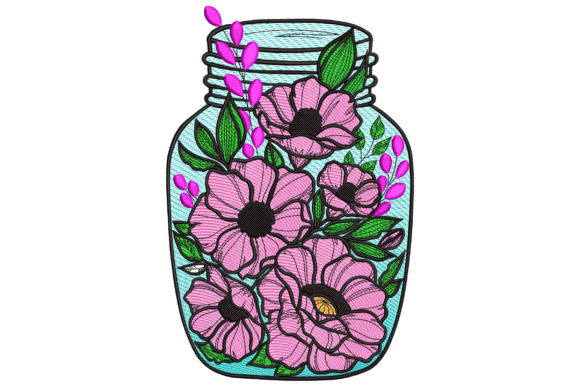
The moment you open the file, the layout of the Floral Jar strikes me as balanced. It isn’t overly intricate, which is often a red flag for beginners, nor is it so simple that it looks unfinished. The design centers around a stylized jar filled with a bouquet of flowers, creating a nostalgic, cottage-core aesthetic that is currently dominating the handmade market.
Visually, the design relies on clean lines and distinct shapes. This is crucial because it suggests that the embroidery will hold up well over time. When I imagine this on a finished product, I see a piece that feels curated rather than mass-produced. It has a "quiet luxury" vibe that appeals to buyers looking for something unique but not loud. For an Etsy seller or a small business owner, this kind of visual clarity is gold. It translates well into printable mockups and design assets because the focal point is immediately recognizable even at thumbnail size.
Real-World Application: Where Does It Shine?
I tested the Floral Jar concept across several different project types to see where it fits best. My goal was to determine its versatility as a machine embroidery design.
- Home Decor and Kitchen Towels: This is perhaps the strongest use case. Stitching the Floral Jar onto a high-quality linen tea towel or a cotton kitchen rag creates an instant upgrade. The charm of the design elevates a basic utility item into a gift-worthy object. I envision this being a top seller during the holiday season as a hostess gift or a housewarming present.
- Custom Apparel and Sweatshirts: Placing this design on the chest of a crewneck sweatshirt or the pocket area of a t-shirt works beautifully. The shape is compact enough to fit standard hoop sizes without feeling cramped. It adds a touch of personality to everyday wear without overwhelming the garment. For apparel decorators, this is a safe, crowd-pleasing choice that appeals to a broad demographic.
- Baby Items and Nursery Decor: The soft, whimsical nature of the floral theme makes it suitable for baby bodysuits, muslin blankets, or nursery wall art. However, care must be taken with thread selection here. Soft pastels or muted earth tones would complement the design better than neon brights, which might clash with the vintage feel of the jar.
- Tote Bags and Canvas Goods: A tote bag design featuring the Floral Jar is a classic combination. The sturdy fabric provides a perfect canvas for the stitching, allowing the details to pop. This is ideal for craft business owners looking for affordable, high-margin products to sell at markets.
Technical Performance and Stitch Quality
When evaluating an embroidery file, I always look at the stitch density and the balance between different stitch types. The Floral Jar appears to utilize a mix of satin stitch for outlines and borders, likely paired with fill stitch for the flower petals and jar body, and perhaps some running stitch for delicate stems or leaves.
This combination is smart. Satin stitches provide a crisp, professional edge, while fill stitches add texture and depth. If the density is too high, the fabric can pucker; if it is too low, the backing shows through. Based on the visual structure, this design seems to strike a good balance, making it forgiving for intermediate embroiderers while still looking polished enough for commercial use.
For those selling personalized gifts, the design’s simplicity allows for easy customization. You can swap out thread colors to match a client’s favorite palette or add monogramming nearby without cluttering the main motif. This flexibility is a key driver for customer trust and repeat business.
Where to Use Caution
No design is perfect for every situation, and the Floral Jar is no exception. There are specific contexts where this design might struggle or require additional preparation.
- Small Hoop Sizes: If you are working with very small hoops (under 4x4 inches), you need to ensure the design scales down properly. Tiny details in the flowers might become muddy or lose definition if the stitch count becomes too dense relative to the space.
- Textured and Stretchy Fabrics: While linen and cotton are ideal, using this design on highly textured fabrics like heavy waffle weave or stretchy knits requires a robust stabilizer. Without proper support, the stitch density could cause the fabric to distort, ruining the shape of the jar.
- Dark Fabrics: On dark backgrounds, the contrast is everything. If the design relies on light-colored threads for fine details, they may get lost. I recommend testing thread color contrast thoroughly before committing to a large production run.
- Curved Surfaces: Attempting to stitch this on a curved surface like a baseball cap or a rounded mug requires advanced technique. The flat, centered composition of the Floral Jar is best suited for relatively flat surfaces to maintain its intended symmetry.
Practical Designer Notes for Success
Before you load this digital embroidery file into your machine for a client order, follow these steps to ensure a professional result.
- Test on Scrap Fabric: Always run a test stitch-out on the same type of fabric you plan to use. This helps you gauge how the material reacts to the stabilizer and thread tension.
- Check Black and White Mockups: Convert your design preview to black and white. This helps you identify areas where the stitch direction might conflict or where detail loss could occur, ensuring the design remains legible.
- Inspect Small Details: Zoom in on the digital file. Are the tiny stems clear? Will they stitch cleanly? If the design has tiny isolated elements, consider combining them with adjacent stitches to prevent breakage.
- Confirm Licensing: If you are planning to sell the finished product, verify the license terms. Some commercial embroidery licenses restrict the number of items you can produce or require a separate commercial license for resale.
- Choose the Right Thread: Polyester thread is generally recommended for its durability and sheen, especially for items that will be washed frequently. Cotton thread offers a matte, vintage look but may fade faster.
Final Verdict
The Floral Jar is a versatile, charming addition to any embroidery project library. It bridges the gap between hobbyist fun and professional-grade aesthetics. Whether you are creating a handmade product for your own home or building a brand for your small shop product line, this design offers strong potential.
It works particularly well for holiday embroidery gifts, boutique branding, and personalized items that require a touch of elegance without complexity. By paying attention to fabric choice, stabilizer usage, and thread contrast, you can transform this simple digital asset into a stunning physical reality. For designers and sellers looking to expand their catalog with reliable, appealing motifs, the Floral Jar earns a solid recommendation.