Baby Elephant Embroidery Design Review
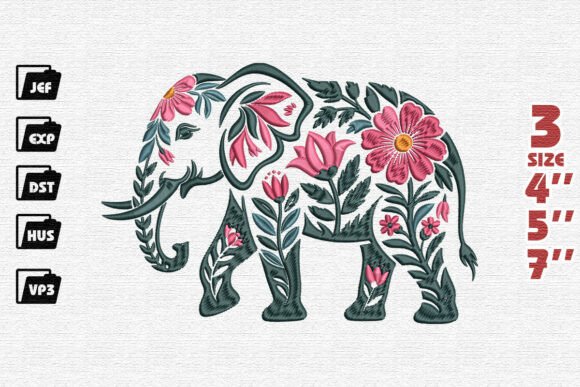
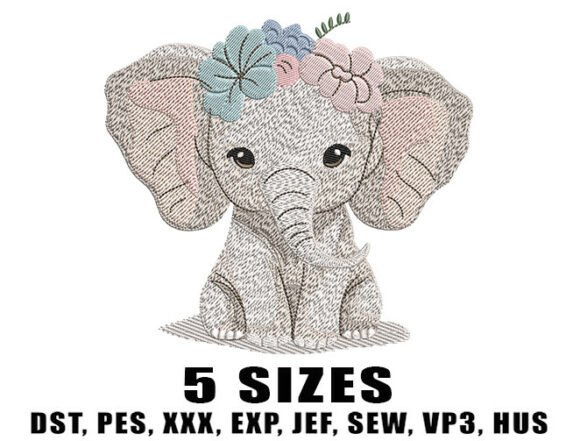
As an embroidery designer who has spent years digitizing patterns and troubleshooting stitch paths for commercial production, I approach every new file with a critical eye. It is not enough for a design to simply look cute on a screen; it must translate flawlessly into thread, hold up under industrial washing, and enhance the brand value of the final product. Today, I am reviewing the Baby Elephant Embroidery Design, specifically the variation featuring an elephant with a floral crown. This piece falls under the Baby Animals category and presents an interesting case study for small business owners looking to integrate soft, playful aesthetics into their merchandise.
First Impressions: Visual Personality and Professionalism
The moment you load this digital embroidery file into your software, the first thing that strikes you is its inherent sweetness. The description highlights a "cute, wide-eyed" subject, which immediately signals a friendly, approachable vibe. For brands targeting families, nurseries, or gift markets, this is a strong positive. However, from a professional standpoint, we must ask: does it feel premium?
The addition of the floral crown elevates the design from a simple cartoon animal to something slightly more decorative and elegant. It bridges the gap between playful and refined. When placed on a white cotton tote bag or a cream-colored apron, the contrast allows the details to pop without overwhelming the viewer. It feels handmade yet polished, making it suitable for boutique environments where visual consistency matters. It is not bold or rustic; rather, it is soft, modern, and distinctly feminine-leaning, which dictates specific use cases in merch creation.
Real-World Business Applications
So, where does this Baby Elephant Embroidery Design shine in a commercial setting? Let’s look at practical applications for small business merch and branded patches.
- Embroidered Patches: This design is an excellent candidate for iron-on or sew-on patches. The central focus of the elephant, surrounded by the floral elements, creates a balanced composition that works well within standard circular or square patch boundaries. These can be sold as standalone accessories or used as branding assets on other products.
- Apron Embroidery: For bakeries, florists, or craft studios, placing this design on the chest pocket or upper left chest of a work shirt adds a touch of personality to staff uniforms. It humanizes the brand and makes employees look approachable and cared-for.
- Tote Bag Design: A classic application. The design fits perfectly on canvas totes, which are popular among Etsy sellers and craft fair vendors. It serves as both a functional item and a walking advertisement for the brand.
- Cap Embroidery: While possible, this requires careful placement. The rounded shape of a cap front can distort fine details, so this design works best if digitized with slight adjustments to accommodate curvature.
- Product Packaging Accents: Small versions of this design can be embroidered onto hang tags or labels attached to handmade goods, adding a tactile, high-quality finish that customers appreciate.
Brand Identity and Customer Trust
Using a design like the Baby Elephant Embroidery Design affects your brand identity significantly. It communicates warmth, care, and attention to detail. When customers see high-quality embroidery on your products, they perceive higher value. This is crucial for handmade products where price points may be higher than mass-produced alternatives. The visual consistency of using a cohesive theme (like baby animals) across different items—caps, aprons, and bags—helps build recognition. Customers begin to associate that sweet, wide-eyed aesthetic with your specific shop, fostering trust and repeat engagement.
Technical Considerations and Risk Areas
Not every design translates well to every surface. As a reviewer, I must highlight where caution is needed when using this embroidery file.
Small Patch Sizes: If you plan to reduce this design to fit a tiny logo size (under 2 inches), you risk losing the definition of the floral crown and the texture of the elephant’s skin. Fine lines may merge together, creating a muddy appearance. Always test at the intended final size before committing to bulk production.
Curved Surfaces: Embroidering on the front of a baseball cap or the curve of a bucket hat introduces tension. The stabilizer must be robust, and the hoop placement precise. If the fabric stretches during stitching, the symmetry of the face may become distorted, ruining the "wide-eyed" charm.
Dark Uniforms and Thread Contrast: On dark fabrics, the background fill or satin stitches around the design need to be carefully evaluated. If the design relies on light threads for detail, ensure there is sufficient contrast against the garment color. Dark backgrounds can sometimes swallow up subtle shading, making the design look flat.
High Stitch Density: Designs with dense fills can become stiff and heavy. For apparel like t-shirts or lightweight hoodies, excessive density can cause puckering. Ensure the digitization uses appropriate underlay stitches to stabilize the fabric and prevent distortion.
Practical Designer Notes for Production
Before you add this Baby Elephant Embroidery Design to your catalog, follow these essential steps to ensure a successful finished product:
- Test in Black and White: Convert the design to monochrome to check the balance of positive and negative space. If it looks cluttered in black and white, it will likely be cluttered in color.
- Check Hoop Size Compatibility: Verify that the design fits comfortably within your machine’s hoop limits while leaving enough margin for stabilization.
- Inspect Thread Color Contrast: Select thread colors that complement each other and the base fabric. The floral crown should stand out against the elephant’s gray tones without clashing.
- Use Proper Stabilizer: Cut-away stabilizers are recommended for garments that will be washed frequently, such as aprons and caps. Tear-away is only suitable for non-stretch wovens used in one-time projects.
- Create a Printable Mockup: Before cutting fabric, generate a printable mockup. Place the design on images of your actual products (totes, shirts, etc.) to visualize scale and placement.
- Confirm Commercial Licensing: This is critical. Ensure you have the correct license to use this digital embroidery file for commercial purposes. Many designers offer separate licenses for personal use versus commercial merch creation.
- Stitch Test on Real Fabric: Never skip the test run. Stitch the design on the exact fabric and stabilizer combination you plan to use. Check for puckering, thread breaks, and registration accuracy.
Final Verdict
The Baby Elephant Embroidery Design is a versatile asset for small business owners in the handmade, retail, and service sectors. Its blend of cuteness and elegance makes it suitable for a wide range of applications, from staff uniforms to customer gifts. By paying close attention to technical details like stitch density, fabric choice, and licensing, you can leverage this design to elevate your brand identity and create memorable, high-quality merchandise. It is a smart addition to any library of design assets aimed at creating warm, engaging custom apparel experiences.