Lovely Wildflower Floral Wreath Review
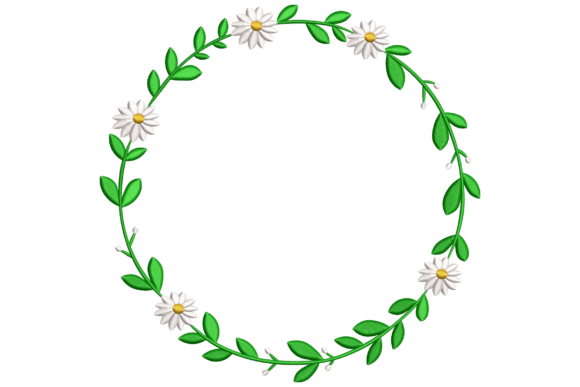
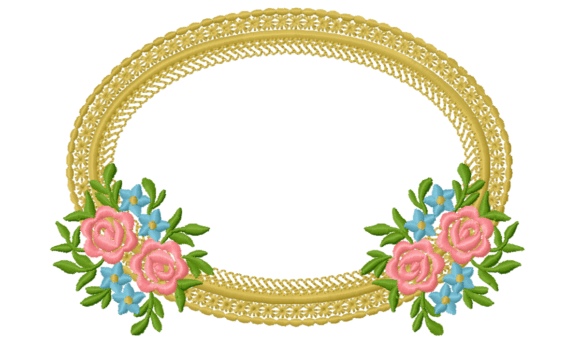
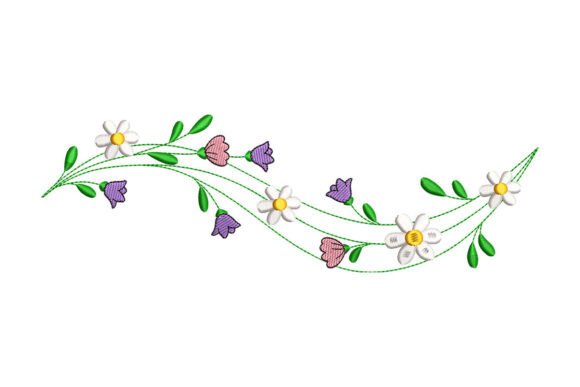
In the world of small business branding, every detail counts. As an embroidery designer who has spent years refining designs for everything from boutique apparel to high-volume staff uniforms, I know that a design must do more than just look pretty on a screen. It needs to translate flawlessly into thread, withstand the wear and tear of daily use, and elevate the perceived value of the final product. Today, I am reviewing the Lovely Wildflower Floral Wreath, a digital embroidery file that promises natural beauty through a delicate circular arrangement of blooming wildflowers. Specifically, we are looking at how this design performs when applied to daisies, cornflowers, poppies, and accompanying greenery.
This review is not just about aesthetics; it is a practical evaluation for small business owners, Etsy sellers, apparel decorators, and crafters who need reliable design assets for their commercial projects. Whether you are creating branded merchandise for a local café, handmade goods for a craft fair, or uniform patches for a creative studio, understanding the technical and visual implications of this machine embroidery design is crucial before you commit to production.
First Impressions: Visual Personality and Brand Fit
The title Lovely Wildflower Floral Wreath sets a specific tone immediately. In my experience, "wildflower" suggests a rustic, organic, and approachable vibe, while "wreath" implies structure, completeness, and tradition. When combined, this design likely strikes a balance between playful charm and elegant professionalism. For brands that want to convey warmth, nature, and handcrafted quality—such as bakeries, florists, pet brands, or holistic wellness shops—this aesthetic is highly effective.
Visually, the inclusion of distinct flowers like cornflowers and poppies adds pops of color potential, while the daisies provide a softer, classic anchor. The greenery ties the composition together, ensuring the design does not feel sparse. This makes it an excellent candidate for businesses aiming for a "farm-to-table" or artisanal brand identity. It feels premium without being overly formal, making it versatile enough for both customer-facing merchandise and internal staff branding.
Real-World Business Applications
One of the most common questions I receive is where to place intricate floral designs on merchandise. The circular nature of the Lovely Wildflower Floral Wreath makes it exceptionally adaptable. Here is how it translates across various small business merch categories:
- Embroidered Patches: This design is ideal for creating sew-on or iron-on patches. The circular format fits perfectly within standard patch borders, allowing the wildflowers to serve as a focal point for brand logos or decorative accents on denim jackets, backpacks, and beanies.
- Chest Logos and Cap Designs: For cap embroidery, a smaller version of this wreath can sit neatly above a company name or logo. It adds a touch of sophistication to baseball caps or structured hats used for promotional events. Similarly, on work shirts, a subtle wreath on the chest pocket can signal attention to detail and care.
- Tote Bags and Aprons: In the realm of tote bag design and apron embroidery, this pattern works beautifully centered on the front panel. For coffee shops or bakeries, a large-scale version can serve as the primary graphic, drawing eyes to the brand name placed in the negative space of the wreath center.
- Product Packaging and Labels: Even if not embroidered directly onto clothing, this digital embroidery file concept can inspire printed labels or hang tags. A consistent visual language between your physical products and your packaging builds strong brand identity and customer trust.
When used correctly, these applications do more than decorate; they communicate professionalism. A well-executed embroidered patch signals that a business invests in quality, which directly influences buyer engagement and perceived product value.
Where to Use with Caution
While this design has broad appeal, there are specific scenarios where it requires careful consideration. Embroidery is a tactile medium, and fine details can get lost depending on the substrate and size.
- Small Patch Sizes: If you plan to produce tiny patches (under 2 inches), the individual petals of the cornflowers and poppies may merge into indistinct blobs. Test the design at your intended scale to ensure the shapes remain recognizable.
- Curved Surfaces: Embroidering on curved items like cap fronts or sleeves can distort circular designs. The wreath may appear oval or stretched if not hooped correctly. Always use proper stabilizers and consider using a multi-head machine with advanced curving capabilities for best results.
- High Stitch Density: Ensure the stitch density is appropriate for the fabric. On lightweight fabrics like thin cotton tees, too much density can cause puckering. Conversely, on heavy canvas totes, insufficient density might leave the backing visible.
- Dark Uniforms and Textured Fabrics: Contrast is key. On dark or heavily textured fabrics, light-colored threads (like pastel daisy yellows) may lack visibility. You may need to add a underlay or choose darker thread colors to maintain clarity.
Impact on Brand Identity and Customer Perception
Using a cohesive design like the Lovely Wildflower Floral Wreath across multiple touchpoints creates visual consistency. When a customer sees the same floral motif on a tote bag, a staff apron, and a product label, it reinforces brand recognition. This consistency builds trust because it suggests a unified and professional operation.
Furthermore, handmade-style graphics evoke an emotional response. They suggest that the products are crafted with care rather than mass-produced by machines. This perception allows small businesses to command higher price points and foster loyalty among customers who value authenticity and artistry.
Practical Designer Notes for Production
Before you send this file to production, follow these essential steps to avoid costly mistakes:
- Test in Black and White: Convert the design to grayscale to check contrast and spacing. If the elements look muddy in black and white, they will likely struggle in color.
- Check Hoop Size: Confirm the hoop size requirements of the file. Ensure your embroidery machine’s hoop can accommodate the design dimensions without cutting off parts of the wreath.
- Thread Color Contrast: Review the suggested thread colors. Do they offer enough contrast against your target fabric? Experiment with different thread shades to see which combination best highlights the poppies and greenery.
- Stabilizer Selection: Use the correct stabilizer for your fabric type. Cut-away stabilizers are generally recommended for stretchy fabrics or long-lasting garments, while tear-away may suffice for stable totes or temporary items.
- Create a Printable Mockup: Before committing to full production, create a printable mockup or run a test stitch-out on scrap fabric. This allows you to inspect the finish, check for thread breaks, and verify the overall look.
- Commercial Licensing: Most importantly, confirm the commercial licensing terms of the embroidery file. Ensure you have the right to sell finished products featuring this design. Unauthorized use can lead to legal issues.
By taking these precautions, you ensure that the Lovely Wildflower Floral Wreath serves its purpose effectively: enhancing your brand, delighting your customers, and representing your business with the highest level of professionalism. Whether you are updating your current line or launching a new collection, this design offers a charming and versatile option for any nature-inspired brand.