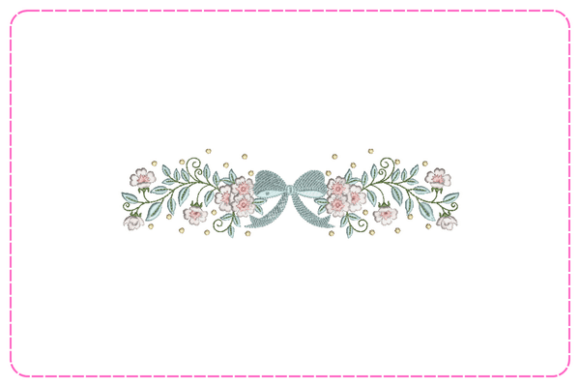
Folk Floral Border Review for Seasonal Collections
As an embroidery designer who spends countless hours evaluating digital files before they ever reach a customer’s hoop, I approach every new addition to my library with a critical eye. We are currently approaching the peak season for holiday product creation, and the demand for personalized gift items is higher than ever. This is the time when Etsy sellers, craft fair vendors, and small business owners need designs that not only look beautiful but also perform reliably on the production floor. Today, I am reviewing the Folk Floral Border, a design that promises to bring a touch of enduring elegance to your seasonal inventory.
First Impressions: Mood and Aesthetic Appeal
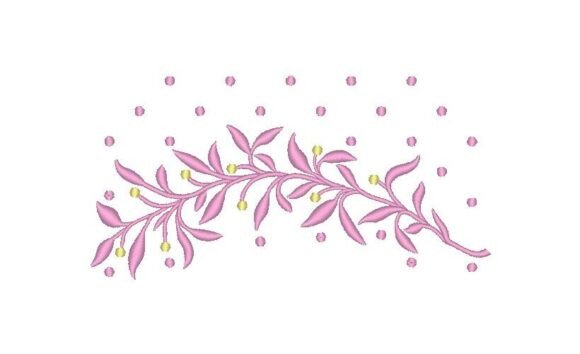
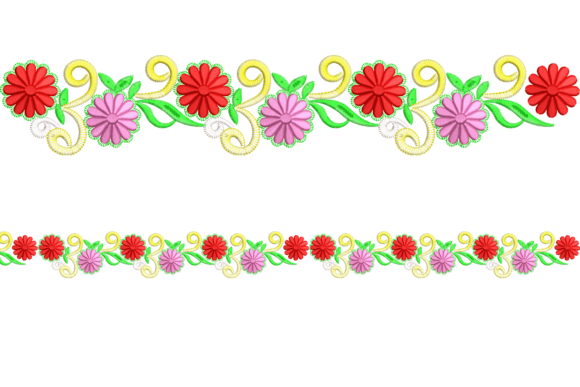
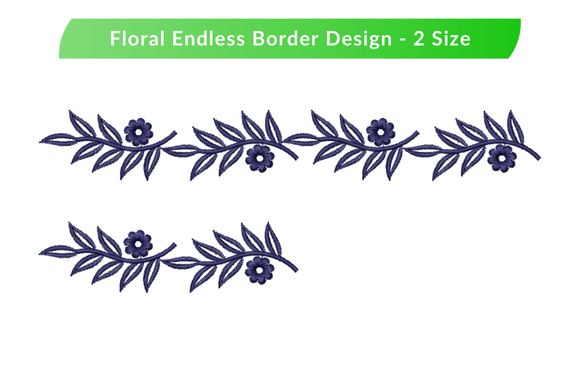
The moment you load the Folk Floral Border into your digitizing software, the first thing you notice is its versatility. It is not just a simple line of stitching; it is a statement piece. The description calls it a symbol of "enduring elegance," and from a design perspective, this holds true. The aesthetic leans heavily into the rustic yet refined style that dominates current home decor trends. It feels nostalgic, evoking memories of family gatherings and cozy autumn evenings, while remaining fresh enough for modern minimalist interiors.
The emotional tone of this design is warm and inviting. Unlike stark, geometric borders that can feel cold or industrial, the floral elements introduce organic softness. This makes it incredibly effective for creating a welcoming atmosphere in any finished product. Whether you are aiming for a romantic vibe for Valentine’s Day or a rustic charm for Thanksgiving, this border adapts seamlessly. It strikes a perfect balance between being decorative without being overwhelming, allowing the base fabric to shine through while adding significant visual interest.
Real-World Application for Holiday Products
When planning a seasonal shop collection, the key is finding designs that work across multiple product categories. The Folk Floral Border excels in this regard. Here is how I see it performing in real-world selling situations:
- Kitchen Towel Embroidery: This is perhaps the most natural fit. Placing this border along the hem of a linen or cotton kitchen towel creates an instant premium feel. It pairs beautifully with neutral backgrounds and adds a touch of sophistication to a functional item.
- Sweatshirt Embroidery: For fall and winter apparel, a wide border across the chest or down the side seam offers a unique alternative to standard center-chest logos. It gives the garment a custom, high-end boutique look that customers are willing to pay more for.
- Tote Bag Design: A sturdy canvas tote featuring this border becomes a fashionable accessory rather than just a utility bag. It works well for holiday shopping bags or as a reusable gift wrap alternative.
- Pillow Cover and Home Decor: Framing a throw pillow with this border adds texture and depth. It elevates basic polyester or velvet covers, making them perfect for limited edition holiday drops.
- Embroidered Patch: By cropping the border section, you can create standalone patches for denim jackets or backpacks, appealing to a younger demographic looking for customizable fashion.
In terms of marketing, this design lends itself perfectly to social media previews. The intricate details photograph well, and when used in printable mockup graphics, it helps potential buyers visualize the final result. It also supports the creation of gift bundles, such as matching kitchen sets or coordinated family loungewear, which can significantly increase your average order value.
Strategic Considerations for Production
While the design is visually stunning, there are specific areas where caution is required. As a professional, I must advise against using this design on items that require extreme durability or complex curvature without proper testing.
- Small Hoop Sizes: If you attempt to stitch this on very small items, the delicate floral details may become muddy or lose definition. Ensure your hoop size allows for adequate spacing between stitches.
- Thick Towels and Denim: While great for light linens, thick terry cloth or heavy denim can distort the fine lines of the border. You may need to adjust your stitch density or use a cut-away stabilizer to prevent puckering.
- Dark Fabric: Stitching light-colored threads on dark fabric requires high contrast. However, if the thread count is low, the background color may show through, ruining the clean look of the border. Always test on scrap fabric first.
- Metallic Thread: If you plan to use metallic threads for a festive sparkle, be aware that these threads are fragile. They can break easily during high-speed machine embroidery, leading to frequent stops and potential design errors.
- Stretchy Garments: On knit fabrics like sweatshirts, improper stabilization can lead to stretching during the embroidery process. Use a tear-away or wash-away stabilizer appropriate for knits to maintain the integrity of the embroidery file.
Impact on Seasonal Appeal and Brand Trust
Using a high-quality machine embroidery design like the Folk Floral Border directly impacts buyer perception. In the crowded marketplace of handmade goods, quality is the primary differentiator. Customers can often tell the difference between a poorly stitched design and one that was digitized with care. A clean, precise border signals professionalism and attention to detail, fostering customer trust.
Furthermore, the "folk" aspect of the design taps into the growing trend of slow living and artisanal craftsmanship. Shoppers are increasingly drawn to products that feel personal and crafted by hand, even if they are produced digitally. This design bridges that gap, offering the consistency of digital production with the warmth of traditional folk art. It enhances the perceived value of your small shop product, allowing you to position your items as premium gifts rather than cheap novelties.
Essential Designer Notes for Success
To ensure your seasonal embroidery projects are successful, follow these practical steps before launching your collection:
- Test Thread Colors: Do not assume the colors will look the same on screen as they do in thread. Test your chosen thread colors on both light and dark fabrics to ensure visibility and contrast.
- Check Stitch Density: Verify that the stitch density is appropriate for your intended fabric. Too dense, and the fabric will pucker; too sparse, and the design will look thin and cheap.
- Confirm Hoop Size: Make sure the design fits within your machine’s maximum hoop dimensions, especially if you are producing large items like table linens.
- Use Proper Stabilizer: The choice of stabilizer is crucial. A good rule of thumb is to use a heavier stabilizer for heavier fabrics and a lighter one for delicates.
- Create Realistic Mockups: Before listing your items, create realistic printable mockup images. Show the border in context, perhaps styled with dried flowers or holiday props, to help customers imagine the product in their homes.
- Review Small Details: Zoom in on your digital preview. Are the tiny petals clear? Is the text legible (if applicable)? Fix any issues in the digitizing phase before committing to production.
- Plan Matching Palettes: Develop a cohesive color palette for your entire collection. If you are selling kitchen towels, offer matching aprons or placemats using the same border and thread colors.
- Confirm Commercial Licensing: Always check the license agreement for the digital embroidery file. Ensure you have the right to sell finished products made from this design, especially for commercial quantities.
In conclusion, the Folk Floral Border is a strong contender for any serious embroiderer’s seasonal lineup. Its blend of elegance, versatility, and emotional resonance makes it ideal for creating memorable gifts and high-value decor items. By paying close attention to production details and marketing strategy, you can leverage this design to build a loyal customer base and achieve success during the busy holiday shopping periods. Remember, the difference between a good product and a great one often lies in the execution—so take the time to get it right.