Floral Falcon Embroidery Review
When I pick up a new digital embroidery file, my first instinct is rarely about the pretty picture on the screen. It is about the engineering beneath it. As a designer who has stitched thousands of designs for clients, craft fairs, and personal gifts, I know that a beautiful concept can fail miserably if the stitch density is off or the detail gets lost in the fabric weave. That is why I always test-drive a design before committing it to a final product. Today, I am putting Floral Falcon Embroidery through its paces to see if it holds up in real-world application.
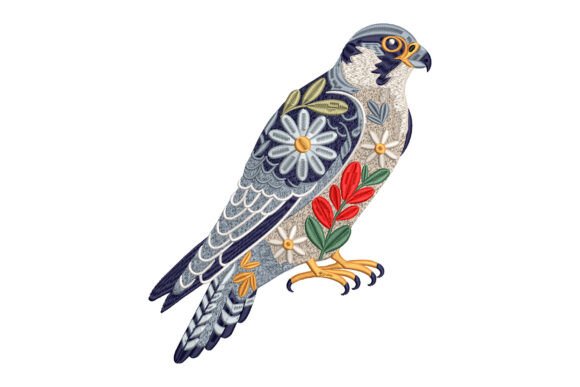
This file describes itself as bold, detailed, and perfect for wildlife lovers. At roughly 4 inches square with over 20,000 stitches, this is not a quick filler design. It is a statement piece. My goal here is to evaluate whether this machine embroidery design delivers on its promise of visual impact without becoming a stitching nightmare.
First Impressions: The Mood and Visual Personality
The moment you open the file in your digitizing software, the layout commands attention. The name "Floral Falcon" suggests a juxtaposition of two very different worlds: the sharp, predatory grace of a bird of prey and the soft, organic curves of botanical elements. In practice, this creates a striking visual tension that works exceptionally well for custom apparel and boutique branding.
The design feels substantial. It does not rely on thin lines or delicate outlines that might break during high-speed stitching. Instead, it uses weight and contrast to define the falcon’s silhouette against the floral background. This makes it an excellent candidate for sweatshirt embroidery, where the fabric is thick and needs a design with enough presence to stand out. The mood is sophisticated yet wild, making it suitable for a wide range of audiences, from serious bird watchers to those who appreciate artistic, nature-inspired fashion.
Real-World Application: Where Does It Fit?
I often think about embroidery project ideas in terms of product categories. For Floral Falcon Embroidery, several scenarios immediately come to mind where this design would shine.
- Tote Bag Design: A canvas tote is a classic vehicle for large, bold graphics. Placing this design centrally on a sturdy canvas bag allows the full 4-inch width to breathe. The contrast between the rugged canvas and the intricate stitching adds a tactile quality that customers love.
- Baby Embroidery: While the falcon is a fierce bird, the floral integration softens the image. This makes it surprisingly effective for nursery decor or baby blankets. However, placement is key; a chest-sized logo on a onesie or a centered motif on a receiving blanket works best.
- Commercial Embroidery: For small business owners looking for unique merchandise, this design offers a distinct identity. It is not a generic flower or a standard animal clipart. It feels like a brand mark. This is ideal for Etsy sellers or craft business owners who want to sell personalized gifts with a premium feel.
- Embroidered Patch: Given the defined shape and dense detailing, this design translates well into a patch format. It could serve as a distinctive badge for denim jackets or beanies, adding a touch of personality to everyday wear.
In these contexts, the design elevates the perceived value of the handmade product. When a customer sees the complexity of the fill stitch work and the precision of the satin stitch edges, they recognize the effort involved, which justifies a higher price point.
Technical Performance and Stitch Clarity
With a stitch count hovering around 20,000, this design is dense. This brings both advantages and challenges. The primary advantage is longevity and texture. A dense design sits flush against the fabric and resists pilling or fraying better than sparse designs. The stitch density ensures that the colors remain vibrant and distinct, provided you have chosen the right thread colors.
However, density requires respect. On thin fabrics, such as lightweight cotton tees or sheer materials, this design may cause puckering unless a heavy-duty stabilizer is used. I strongly advise against attempting this on stretchy knits without proper hooping techniques and tear-away or cut-away support. The weight of the threads can distort the garment if the foundation is not solid.
Another critical factor is the hoop size. At approximately 4.01″ x 3.99″, this design fits comfortably within most standard 4x4 hoops, but it leaves little margin for error. If you are placing it on a curved surface like a cap, you will need to manage the curvature carefully to avoid distorting the circular elements of the floral pattern. Straight seams, like those on aprons or pillow covers, are much more forgiving.
Where to Use With Caution
Not every surface is created equal. There are specific scenarios where Floral Falcon Embroidery might struggle:
- Dark Fabric: If you use light-colored threads on dark fabric, the details may get lost. Conversely, dark threads on dark fabric can hide the depth of the running stitch accents. Always check contrast.
- Textured Fabrics: Bouclé wool or heavily ribbed knits can obscure fine details. The intricate floral parts may become muddy if the fabric surface is too uneven.
- Small Hoop Sizes: Do not attempt to downscale this design significantly. Reducing a 20,000-stitch design too far will result in a loss of definition and potential needle breaks due to excessive thread density in a small area.
- Frequent Washing: For items that will be washed frequently, such as kitchen towels or daily-wear hats, ensure the stabilizer is completely removed after stitching. Residual stabilizer can stiffen the fabric and affect the drape of the finished item.
Designer Notes for Execution
To get the best results from this embroidery file, I recommend following a few practical steps before you start your production run.
- Test on Scrap Fabric: Never commit to a final product without a test stitch. Use the exact fabric and stabilizer combination you plan to use for the final item. This helps you identify any tension issues or color clashes early.
- Review Thread Colors: The success of this design hinges on the contrast between the falcon and the flowers. Experiment with complementary colors. A metallic thread for the falcon’s eye or wing tips can add a luxurious touch, while matte threads for the petals keep the focus balanced.
- Check Black and White Mockups: Sometimes color distracts us from composition. View the design in grayscale to ensure the shapes are distinct and the negative space is balanced. This is crucial for ensuring readability at a glance.
- Confirm Licensing: Before selling finished products, verify the license terms associated with the file. Ensure you have the rights to sell physical goods made with this digital embroidery file. This protects your small shop product line from legal issues.
- Inspect Small Details: Zoom in on the digitizing. Are there any unnecessary jump stitches? Are the underlays sufficient to hold the top layers in place? A good applique design or complex motif like this relies on strong underlay to prevent shifting.
Final Verdict
Floral Falcon Embroidery is a robust, visually compelling design that rewards careful execution. It is not a simple fill-in-the-blank template; it is a design asset that demands attention to detail. For the embroidery designer willing to invest the time in proper setup and testing, the payoff is a high-quality, professional-looking finished product that stands out in a crowded market.
Whether you are creating a unique holiday gift, expanding your Etsy listings, or adding a signature touch to your own wardrobe, this design offers a blend of strength and beauty that resonates with buyers. It proves that when technical skill meets creative vision, the result is something truly special. Just remember: respect the stitch count, choose your fabric wisely, and let the boldness of the falcon speak for itself.