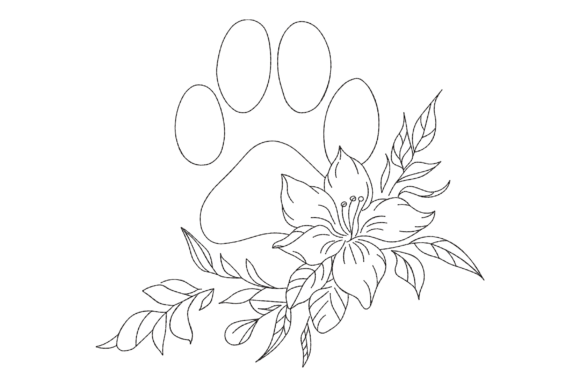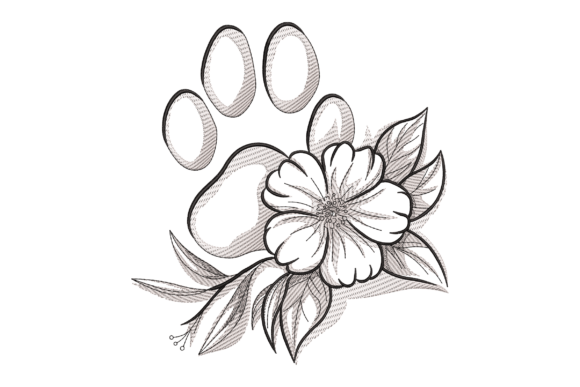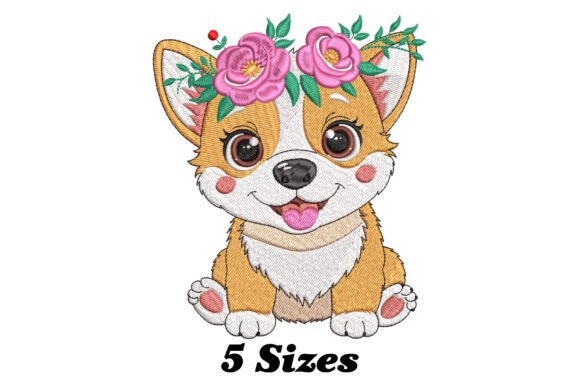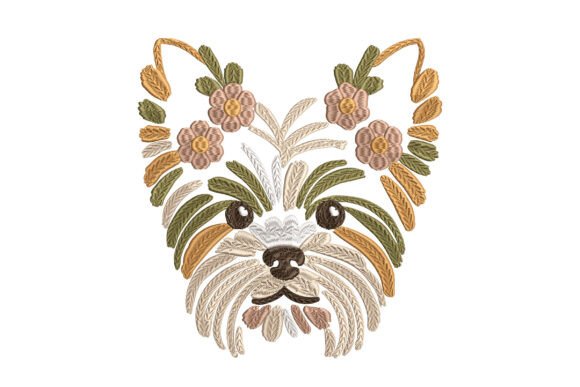
Floral Dog Embroidery Design Review
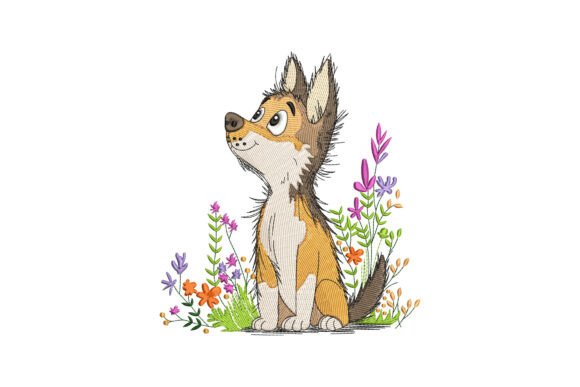
As an embroidery designer who has spent years turning digital concepts into tangible brand assets, I approach every new design file with a critical eye. We are not just looking for something that looks pretty on a screen; we are evaluating whether it can withstand the rigors of production, hold up on various fabrics, and elevate the perceived value of a small business merch line. Today, I am reviewing the Floral Dog machine embroidery design. This piece is marketed as a versatile pattern perfect for t-shirts, pillow covers, and craft projects, promising to add charm and creativity to any creation. But does it deliver the professional polish required for branded merchandise?
First Impressions: Visual Personality and Brand Fit
The title "Floral Dog" suggests a juxtaposition of nature and companionship, which immediately signals a friendly, approachable aesthetic. In my initial assessment, this design feels less like a rigid corporate logo and more like a warm, inviting illustration. It strikes a balance between playful and elegant, making it suitable for brands that want to appear professional yet accessible.
For businesses in the pet industry, floristry, or handmade goods, the visual personality of Floral Dog aligns perfectly with values of care, creativity, and warmth. It avoids being overly childish or too rustic, landing instead in a sweet spot that appeals to a broad demographic. When you place this on a product, it doesn’t scream for attention; rather, it invites the customer to appreciate the detail. This subtlety is crucial for high-end boutique merchandise where understated quality often speaks louder than bold graphics.
Real-World Application for Small Businesses
The true test of any embroidery file is its performance in real-world applications. Here is how I see Floral Dog performing across various commercial use cases:
- Embroidered Patches: The design’s structure appears robust enough to serve as a standalone patch. Whether sewn onto denim jackets or leather bags, it offers a distinct focal point that enhances the garment without overwhelming it. For a local pet grooming salon, a well-executed embroidered patch of this design on a staff uniform instantly communicates specialization and care.
- Apron Embroidery: For bakeries, cafes, or craft studios, custom aprons are essential branding tools. Floral Dog works beautifully here as a chest-level accent. The floral elements soften the look of heavy-duty workwear, making the staff appear approachable while maintaining a cohesive brand identity.
- Cap Embroidery: Structured caps benefit from designs that have clear definition. If the central motif of the dog is sufficiently simplified, this design could work on the front panel of a cap. However, the surrounding floral details must be evaluated for curvature compatibility to ensure they don’t distort on the rounded surface.
- Tote Bag Design: Canvas tote bags are a staple for Etsy sellers and market vendors. Placing Floral Dog centrally on a tote bag creates a charming, gift-worthy item. The design adds a layer of sophistication that elevates a simple canvas bag into a premium handmade product.
- Product Packaging Accents: Beyond apparel, this design can be used on hang tags or fabric labels attached to finished goods. A small, refined version of the design on a clothing tag adds a touch of luxury and reinforces the brand identity at the moment of unboxing.
Strategic Placement and Scale
When integrating this design into your custom apparel lines, placement is key. For a subtle branding strategy, consider placing a smaller iteration of the design on the sleeve cuff of a work shirt or near the hemline of a dress. This technique, often seen in high-fashion retail, creates a sense of exclusivity and attention to detail that customers notice but might not consciously articulate. It transforms a standard item into a unique piece of commercial embroidery.
Areas Requiring Careful Evaluation
No design is flawless, and as a designer, my job is to identify potential pitfalls before they become costly production errors. There are specific scenarios where Floral Dog requires careful consideration:
- Small Patch Sizes: If you intend to reduce this design to a size smaller than 2 inches, you must inspect the stitch density closely. Fine lines in the floral outlines may merge together, resulting in a muddy appearance. Always create a printable mockup at actual scale to verify legibility.
- Curved Surfaces: While great for flat surfaces like tote bags and aprons, applying this design to curved items like baseball caps or beanies requires digitizing adjustments. The floral elements may stretch or pucker if the underlying grid isn’t optimized for curvature.
- Fabric Texture and Color: On highly textured fabrics like bouclé or thick fleece, the fine details of the embroidery may get lost. Similarly, on dark uniforms, ensure there is sufficient contrast between the thread colors and the fabric. Light-colored threads may require a heavier underlay, which can affect the hand-feel of the final product.
- Frequent Washing: For items that will undergo industrial laundering, such as staff uniforms, check the stability of the stitches. Designs with long satin stitches or loose floating threads are prone to snagging. Ensure the design is anchored properly to maintain its integrity over time.
Impact on Brand Identity and Customer Trust
In the world of small business, consistency is currency. Using a high-quality digital embroidery file like Floral Dog signals to your customers that you invest in the quality of your offerings. A crisp, well-executed embroidery project demonstrates professionalism and attention to detail, which directly influences customer trust and recognition.
When a customer sees a consistent, polished design across multiple touchpoints—whether it’s a tote bag, a cap, or a product label—they perceive the brand as reliable and established. This visual consistency enhances the product value, allowing you to command higher price points because the perceived quality matches the cost. Furthermore, the charming nature of the design encourages social sharing, boosting buyer engagement as customers post photos of their purchases online.
Practical Designer Notes for Production
Before committing to a large production run, I strongly advise following these practical steps to ensure success:
- Test in Black and White: Convert the design to grayscale first. This helps you evaluate the composition and spacing without the distraction of color. If the shapes read clearly in black and white, the color version will likely succeed.
- Check Thread Color Contrast: Review the thread colors against your target fabric. High contrast ensures readability, while low contrast can create a sophisticated, tonal look if intended.
- Inspect Spacing and Density: Look for areas where stitches might overlap excessively or leave gaps. Proper stitch density is vital for durability and aesthetics.
- Confirm Hoop Size: Ensure the design fits within your standard hoop sizes to minimize re-hooping and potential misalignment.
- Use Proper Stabilizer: The choice of stabilizer (cut-away vs. tear-away) depends on the fabric. Test on scrap pieces of your actual production fabric to determine the best support system.
- Create a Mockup: Use a printable mockup or a physical sample to present to clients or stakeholders for approval before full production begins.
- Verify Commercial Licensing: Most importantly, confirm the commercial licensing terms of the embroidery file. Ensure you have the right to sell products made with this design to avoid legal issues.
By treating Floral Dog not just as a decorative element but as a strategic brand asset, you can leverage its charm to build a stronger, more recognizable business. With careful planning and execution, this design has the potential to become a signature element in your design assets library, driving sales and customer loyalty for years to come.