Coquette Bow Cowgirl Boots Review
As an embroidery designer who has spent years translating visual concepts into stitch files, I look at every new design with a critical eye. It is not enough for a design to simply look pretty on a screen; it must hold up under the tension of a hoop, survive the friction of high-speed stitching, and ultimately strengthen the brand identity of the small business owner using it. Today, I am reviewing the Coquette Bow Cowgirl Boots, a digital embroidery file that promises a blend of feminine charm and western flair. This review focuses on its viability for commercial use, including branded patches, custom apparel, and handmade product lines.
First Impressions: Visual Personality and Brand Fit
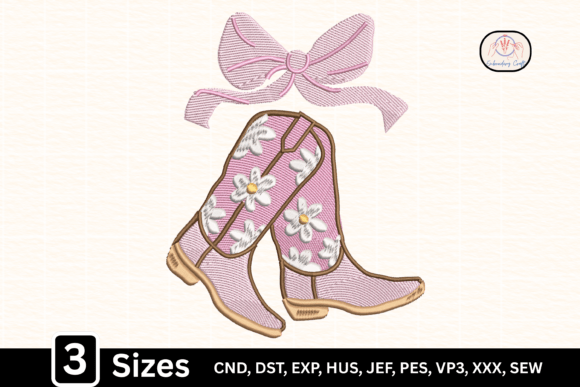
The title alone—Coquette Bow Cowgirl Boots—sets a very specific tone. In the world of branding, tone is everything. This design immediately signals a playful, elegant, and slightly rustic aesthetic. It appeals directly to the "coquette" trend while grounding itself in classic western imagery. For small business owners, this combination is powerful. It suggests a brand that is approachable yet stylish, perfect for boutiques, bakeries, florists, or creative studios that want to stand out without being overly corporate.
From a design perspective, the inclusion of bows and floral elements alongside boots creates a unique visual hierarchy. The bows likely serve as the focal point, drawing the eye with their delicate curves, while the boots provide structural weight. This balance is crucial for merchandise. A design that is too busy can become muddy when stitched, but one that is too simple may lack character. This file appears to strike a middle ground, offering enough detail to feel premium and handmade, yet retaining clear shapes that will read well from a distance.
Real-World Business Applications
When evaluating a machine embroidery design for production, I always ask: where does this live on the product? The Coquette Bow Cowgirl Boots offers several compelling options for small business merch and branded assets.
- Embroidered Patches: This design translates exceptionally well as a sew-on or iron-on patch. The distinct outline of the boots and the central bow make it self-contained, meaning it doesn’t rely heavily on surrounding text to make sense. These patches can be used on denim jackets, tote bags, or even hair accessories sold by Etsy sellers.
- Chest Logos and Cap Embroidery: For staff uniforms or branded caps, the design’s compact nature allows it to sit neatly on the left chest of a work shirt or centered on a cap front. However, sizing is key here. On a cap, the vertical orientation of boots might need slight adjustment to fit the curvature of the hat panel.
- Apron Embroidery and Tote Bag Design: In a café or bakery setting, this design adds a touch of personality to aprons. It softens the utilitarian look of kitchen wear. Similarly, on canvas tote bags, the contrast between the sturdy fabric and the delicate embroidery highlights the quality of the embroidery file.
- Product Packaging Accents: Small businesses often use embroidered tags or labels to elevate unboxing experiences. A miniature version of this design on a hang tag can significantly increase perceived product value and customer trust.
Brand Identity and Customer Engagement
Using a design like Coquette Bow Cowgirl Boots affects more than just aesthetics; it influences buyer engagement. Customers today crave authenticity and handmade presentation. When they see intricate details like bows and floral accents stitched onto a product, it communicates care and attention to detail. This visual consistency reinforces brand recognition. If your brand voice is friendly, whimsical, and feminine, this design aligns perfectly. It tells a story before the customer even reads your logo.
Furthermore, incorporating such distinctive design assets helps differentiate your shop in a crowded marketplace. While many brands stick to minimalism, a bold, thematic design like this can create a memorable visual anchor. It invites conversation and social media sharing, which is invaluable for organic marketing.
Technical Considerations and Risk Areas
While the artistic potential is high, an experienced designer knows that execution is where projects succeed or fail. There are specific areas where Coquette Bow Cowgirl Boots requires careful handling during production.
Stitch Density and Detail: Designs with fine lines and small decorative elements, such as the petals of the floral accents or the ribbons of the bow, can suffer if the stitch density is too high. On textured fabrics like heavy canvas or fleece, these tiny details may disappear into the weave. Conversely, on slippery silks, dense stitching might cause puckering. Always inspect the spacing in the digitization to ensure that no two stitches are so close that they merge into a blob.
Small Patch Sizes: If you plan to produce small patches (under 2 inches), you must test the legibility. Tiny lettering or thin outlines may not render clearly. I recommend scaling the design down in your software to check if the essential shapes remain distinct. If the details become indistinguishable, you may need to simplify the design or increase the minimum patch size.
Fabric Texture and Color Contrast: The description mentions "Pink Western Floral," suggesting light thread colors. Light threads on dark uniforms or dark denim can struggle with visibility unless a heavy backing stabilizer is used. Dark fabrics often require a cut-away stabilizer to prevent the fabric from showing through the stitches. Additionally, ensure there is sufficient contrast between the thread colors and the base fabric. Low contrast leads to a flat, unprofessional look.
Production Best Practices
To ensure the finished product meets professional standards, follow these practical notes:
- Test in Black and White: Before committing to expensive specialty threads, run a test in black and white monochrome. This helps you evaluate the balance of negative space and positive shape without the distraction of color.
- Check Hoop Size: Confirm that the hoop size required by the file fits your available equipment. Large designs may require multiple hooping positions, which increases production time and the risk of misalignment.
- Use Proper Stabilizer: Never skip the stabilizer step. The right choice depends on your fabric texture. Tear-away for stable wovens, cut-away for knits and stretchy materials, and water-soluble for free-standing lace effects.
- Create a Printable Mockup: Use a digital mockup to present the design to clients or stakeholders before production. This allows for approval on placement and scale, reducing waste and rework.
- Confirm Commercial Licensing: Most importantly, verify the licensing terms of the digital embroidery file. Ensure you have the right to sell physical goods made with this design. Some creators restrict the number of units or prohibit resale on large-scale marketplaces.
Final Verdict for Merch Creators
The Coquette Bow Cowgirl Boots is a strong candidate for small business owners looking to add a unique, feminine touch to their inventory. Its blend of western charm and modern coquette aesthetics makes it versatile for a wide range of products, from custom apparel to boutique gifts. However, success lies in the technical execution. By paying close attention to fabric choices, stabilizers, and size scalability, you can transform this digital asset into a tangible product that delights customers and elevates your brand.
For embroidery shops and crafters, this design offers a chance to tap into trending aesthetics while maintaining a professional finish. Just remember to test thoroughly, respect the limitations of the digitization, and always prioritize quality control. When done right, a single embroidered motif can say volumes about your brand’s commitment to craftsmanship and style.